Papakōlea Green Sand Beach — Hawaii’s Rare Emerald Shore at South Point
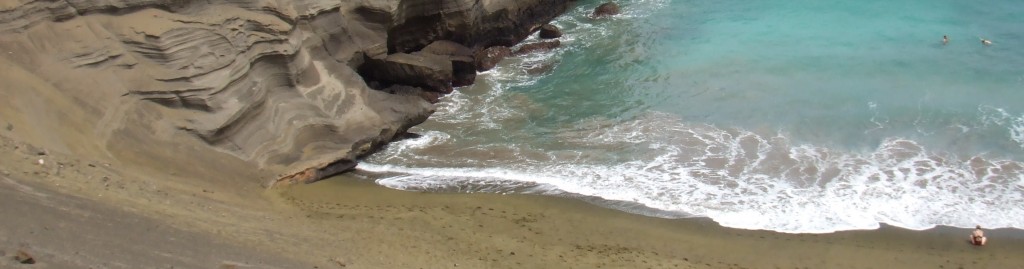
Location: Papakōlea Green Sand Beach, Mahana Bay, South Point, Naalehu, Hawaii 96772, USA
At the southernmost edge of the Big Island of Hawaii lies one of the rarest beaches on Earth — Papakōlea Green Sand Beach, a natural wonder where the shoreline glows in shades of olive and gold. This remarkable place sits inside the remnants of an ancient volcanic cinder cone, where time, wind, and ocean have carved out a secluded bay unlike any other in the world.
The origin of the green sand
The striking green color of the sand comes from olivine, a semi-precious crystal born deep within volcanic rock. Long ago, eruptions from the Pu‘u Mahana cinder cone scattered olivine crystals across the landscape. Over centuries, ocean waves eroded the cone’s walls, washing away lighter particles and leaving the heavier green crystals behind.
Today, you can actually stand inside that old volcanic crater. Three sides of the cone remain intact, with the Pacific Ocean entering through what was once the open edge of the eruption. It’s a surreal feeling — swimming or walking within the walls of an ancient volcano, surrounded by shimmering green sand created by the Earth’s own fire.
A hidden treasure of the Big Island
Papakōlea, meaning “plover flats” in Hawaiian, lies west of South Point (Ka Lae), the southernmost place in the United States. The beach itself is tucked inside Mahana Bay, an isolated crescent surrounded by steep golden cliffs. The green sand glows brightest in the sunlight, shifting between olive, gold, and bronze tones depending on the time of day.
There are only a few beaches like this on the entire planet — and Papakōlea is considered the most beautiful and accessible of them all. For travelers seeking the extraordinary side of Hawaii, this destination is a must-see.
The journey there — part of the adventure
 Getting to Green Sand Beach is half the experience. It’s located about a 2½-hour drive from the resort areas along the Kohala Coast, but the drive is filled with stunning scenery: lava plains, coastal grasslands, and views of Mauna Loa’s vast slopes.
The final part of the trip begins near South Point, where a dirt trail leads about 2.5 miles (4 km) across open terrain to the beach. There are no paved roads, no shade, and no facilities — just the raw beauty of the Big Island. Most visitors hike the trail on foot, following the coastline until the green cliffs of Mahana Bay appear in the distance.
As you approach, the path dips down into the crater, revealing the hidden beach below. The descent to the shore requires a short but steep climb through the natural gap in the cone wall. Once inside, the sound of the wind fades, replaced by the rhythmic crash of waves and the glint of sunlight off the green sand.
A landscape born of fire
Standing at Papakōlea feels like being inside a living museum of Earth’s creation. The cliffs that frame the bay are composed of ancient volcanic ash, baked golden by centuries of sun and salt air. The sand underfoot sparkles with green crystals — tiny remnants of the island’s fiery birth. The air is warm and dry, the ocean brilliant turquoise against the olive shore.
Every detail tells the story of Hawaii’s volcanic origins: molten rock transformed into gemstone sand, a cinder cone reshaped by erosion, and a coastline still slowly changing with each tide.
What to expect
The beach is small but breathtakingly unique. Because of its location, there are no lifeguards, restrooms, or food stands. Visitors should bring plenty of water, sun protection, and sturdy shoes for the hike. The trail can be dusty and windy, and the heat midday can be intense.
Swimming is possible in calm conditions, but caution is essential — the surf can be strong, and the ocean floor drops quickly. Many visitors prefer to enjoy the view, take photos, or simply relax on the rare green sand.
Despite its remoteness, Papakōlea remains one of the most photographed spots on the island, especially at sunrise and late afternoon when the light enhances the color of the sand and cliffs.
The importance of preservation
Because Papakōlea is so rare, it’s protected as a geological and cultural site. Removing sand or rocks from the beach is strictly prohibited. Each grain of green sand took thousands of years to form, and the ecosystem that surrounds it is fragile. Visitors are encouraged to tread lightly, stay on the marked paths, and carry out everything they bring in.
By respecting the environment, travelers help preserve this extraordinary place for generations to come. The green sand is a symbol of Hawaii’s natural history — something to be admired, not taken.
The experience
For many visitors, the moment they step onto Papakōlea feels almost otherworldly. The combination of colors — black lava cliffs, green sand, and deep blue sea — creates a contrast unlike anywhere else. The wind hums softly through the crater walls, the waves sparkle with sunlight, and for a moment, time seems to stop.
It’s not a resort, not a developed attraction, and that’s what makes it magical. It’s raw, elemental, and untouched — a reminder that the most extraordinary places on Earth often require effort to reach.
Visiting tips
-
Bring 2–3 liters of water per person.
-
Wear closed-toe shoes for the rocky trail.
-
Start your hike early to avoid midday heat.
-
Don’t remove sand or rocks — it’s illegal and harmful to the site.
-
Carry sunscreen, hat, and snacks; there are no services nearby.
-
Plan at least 3–4 hours for the round-trip hike and time at the beach.
-
Respect local land and any signage — this area holds deep cultural meaning for Native Hawaiians.
Why it’s unforgettable
There are beaches of white, black, and even red sand in Hawaii — but only here will you see the Earth’s core sparkle beneath your feet. Papakōlea Green Sand Beach is not just a destination; it’s a reminder of the island’s volcanic soul, of nature’s artistry, and of the patience it takes to create something truly rare.
For travelers who make the journey to the Big Island’s far south, the reward is more than a view — it’s an experience of color, solitude, and timeless beauty found only in Hawaii’s most secret bay.